Tango Mandarin
Tango mandarin was bred from the popular Murcott mandarin, a variety commonly found in grocery stores. It was specifically developed to reduce the number of seeds for easier snacking.
Just like the Murcott mandarin, the Tango mandarin has a delightful sweet and slightly tart flavor and easy to peel skin, with the added advantage of being mostly seedless.
Botanical name: Citrus reticulata Blanco
Other names: Tango mandarin citrus tree
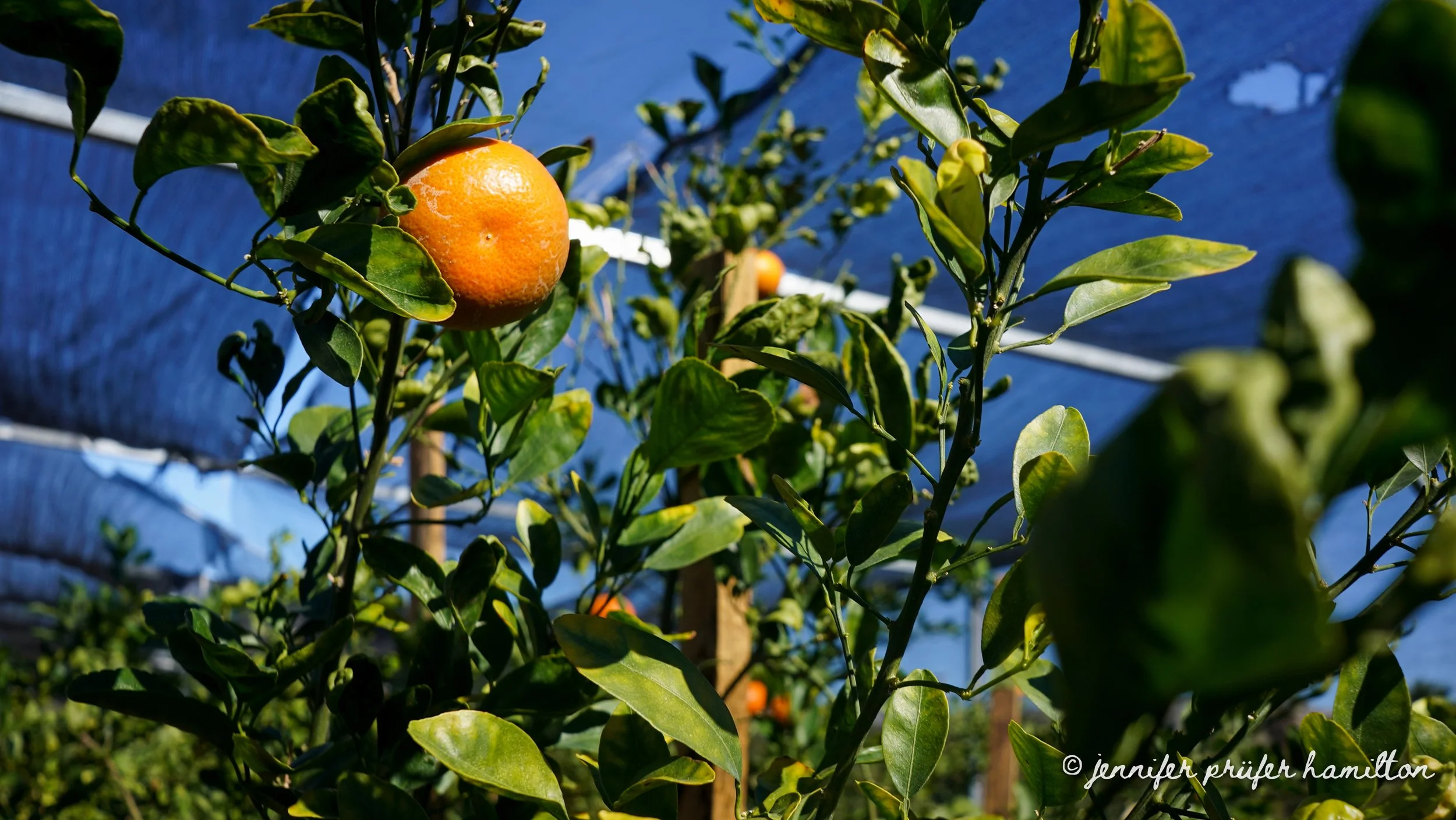
Tango mandarin tree
TABLE OF CONTENTS
Tango Mandarin Appearance
Tango mandarin trees can reach 15+ feet in height and are considered medium-sized citrus trees.
The leaves are evergreen. They are deep green and taper towards the end.
Small, white flowers with a strong, pleasant fragrance.
Followed by tango mandarins, which are deep orange and about 2.5 inches in diameter. They have thin, smooth, and easy to peel skin and almost no seeds.
Tango Mandarin Landscaping Tips
Tango mandarin trees are prolific producers of fruit. Enjoy the bountiful harvest!
If the fruits tend to be on the smaller side, thin them out as they appear.
Tango mandarins typically ripen in December in our Palm Springs region. Harvest within 3-4 months of fruit ripening for best quality.
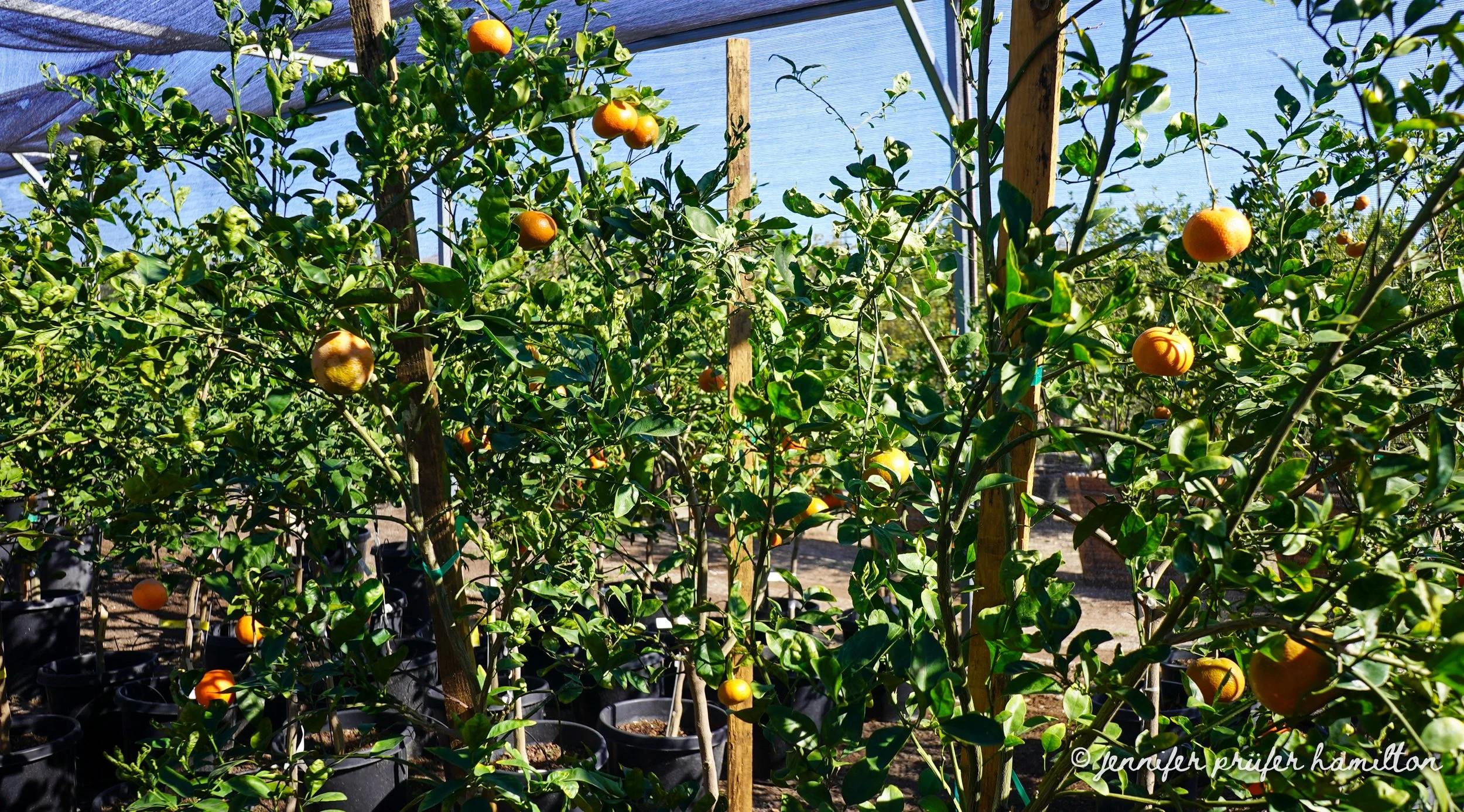
Tango mandarin trees for sale at the nursery
Tango Mandarin Origin
Tango mandarin was developed by University of California with the intention to develop a seedless mandarin
Tango Mandarin Care
Soil: Fertile, well-draining soil that is slightly acidic to acidic. Use a fertilizer formulated for citrus trees and follow instructions on the package.
Temperature: It can withstand temperatures down to 32 degrees for a short period of time. If you live in a climate that experiences cold winters, we recommend overwintering it indoors.
Water: Moderate water needs. Regular deep watering, especially when blooming and fruiting and during heat waves. Do not allow soil to dry out completely for an extended period. More drought-tolerant once mature.
Sun: Full sun
Tango Mandarin Problems
Pests: Tango mandarin trees may attract pests such as aphids, scale, and glassy-winged sharpshooters.
For aphids, blast them off with water if the infestation is light. Otherwise, use horticultural oil or soapy water.
To remove scales, pick them off or use horticultural oil or insecticidal soap. Horticultural oil will kill both crawlers and adults with direct contact. Insecticidal soap is better used to target only the crawlers.
Our citrus trees have been sprayed for glassy-winged sharpshooters as mandated by our county to help prevent their infestation. If you do spot them, use yellow sticky traps and contact your local agricultural experts such as UC Coop extension specialists.
Whenever using any kind of pesticide, be aware that it can damage the plant if the temperatures are in the 80s or above.
Signs of overwatering: Root rot, drooping leaves
Signs of too little water: Browning and drying leaves
Signs of too much sun: Leaf burn, fading color
Signs of too little sun: Etiolation, stunted growth, few flowers
Tango Mandarin Propagation
The easiest way to propagate a tango mandarin tree is through cuttings. Using a sharp tool, obtain 1-foot-long semi-hardwood cuttings and plant them in the soil. Keep the soil moist until the tree is well established.
FAQ
HOW MUCH DOES a Tango Mandarin Tree COST?
At our nursery, tango mandarin trees cost $45 for a 5-gallon container, $150 for a 15-gallon container, $325 for a 25-gallon, and $650 for a 36” box.
Prices are subject to change. Please contact us for the most up-to-date pricing information. We may have larger sizes available. We provide installation services locally at a separate cost.
When should I harvest Tango Mandarins?
In our Palm Springs region, they typically ripen in December. Harvest within 3 months for best quality.
What do Tango Mandarins taste like?
Tango mandarin was bred from the popular Murcott mandarin, which is widely available in stores. They have similar profiles such as sweetness and juiciness. The tango mandarin was specifically bred to lower the seed count.
Summary
| SIZE (H X W) | 15 feet X 10 feet |
|---|---|
| FLOWER COLOR | White |
| FLOWER SEASON | Spring |
| EXPOSURE | Full Sun |
| WATER | Moderate |
| GROWTH RATE | Moderate |
| HARDINESS | 32º F, USDA Zone 9 |
| PRUNING | As needed |